
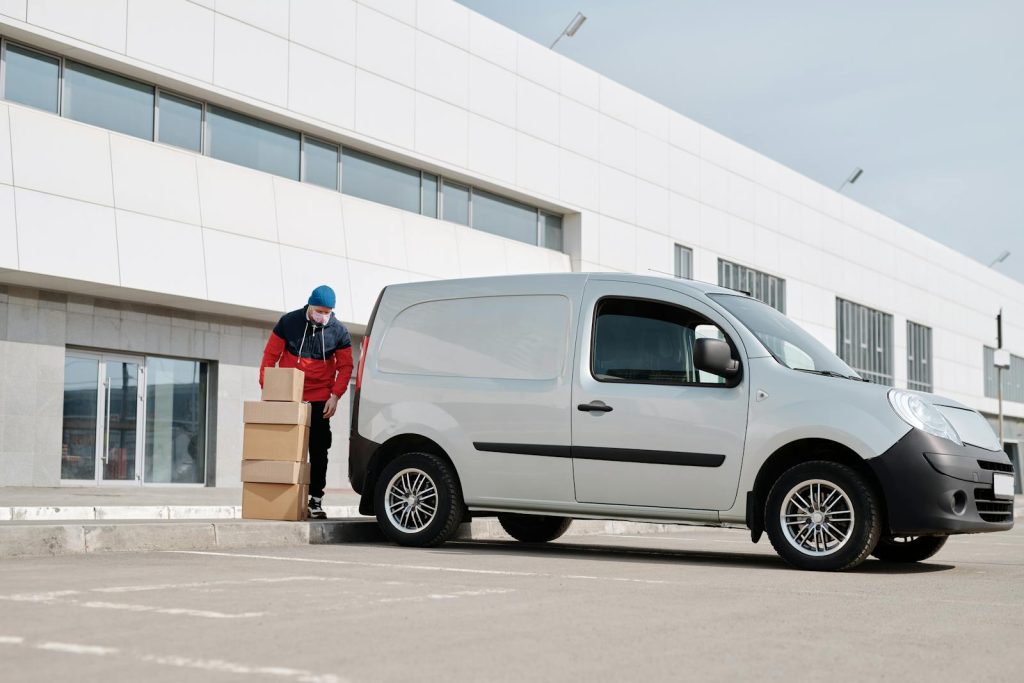
Half a year into 2026, the export-side mechanics of moving household goods and commercial cargo out of India have shifted in ways that change how a move should be planned. Below is what our Kochi and Mumbai coordinators are seeing from the inside of every consignment we file this quarter.
ICEGATE 2.0 has matured
The Customs department's ICEGATE platform completed its 2.0 rollout late last year, and the cumulative effect for export filings in 2026 is faster acknowledgement on shipping bills (usually within two to four hours rather than the day-long wait we used to see), better Bill of Lading reconciliation, and a more honest audit trail when a query is raised. The flip side: invalid data now bounces back almost immediately rather than getting stuck in a queue, so the discipline around HS code accuracy and AD code linkage matters more than ever.
For a personal-effects move, this is largely invisible — Seemleius files the paperwork on your behalf. For an SME exporting commercial cargo, it means your in-house compliance team should treat HS classification as a first-class activity rather than a tick-box.
RoDTEP rates have been refreshed
The Remission of Duties and Taxes on Exported Products rates were re-notified in early 2026 with adjustments across several major export categories — pharmaceuticals (CDSCO-licensed only), engineering goods, textile components and processed food are the lines most affected for our clients. If you exported under RoDTEP last year and your scheme code is still on file with your CHA, double-check the rate hasn't shifted in your favour or against. Several of our SME clients have caught small under-claims by doing this routinely.
FEMA enforcement on personal-effects relocation is sharper
The Reserve Bank of India and customs authorities have been more attentive in 2026 to the FEMA implications of NRIs returning permanently and shifting household goods, savings and vehicles in one window. The Transfer of Residence (TR) scheme — which lets a returning NRI bring used personal goods duty-free after two years overseas — is functioning normally, but the supporting documentation is more thoroughly scrutinised than three years ago.
The practical implication: if you are an NRI returning home, the bank statements proving overseas residence, your passport stamps and the ownership-and-use evidence for items being imported under TR should be compiled in advance, not assembled at the port. We routinely prepare the TR file before the consignment lands.
Indian port congestion has eased at the major gateways
Nhava Sheva (JNPT) and Mundra both report container dwell times that are markedly better than 2024. JNPT is averaging 1.8 days dwell against the 2024 norm of 3.5 days. Chennai port is mixed — the major lines remain efficient but smaller feeders into Chennai still have variable berth windows. Cochin remains the most reliable for South Indian origin moves, especially Kerala and South Karnataka points.
What this means for timeline planning: a consignment ex Mumbai or Kandla now realistically clears origin in 8 to 12 days from packing-day, where 12 to 16 was the safer bet last year.
Pet relocation from India is fundamentally smoother
The Animal Quarantine and Certification Service (AQCS) facilities at Bengaluru, Mumbai, Delhi and Kolkata have all upgraded their handling and reporting in the last 18 months. RNATT rabies titer turnaround at NABL-accredited labs has stabilised at three to four weeks reliably. The bottleneck on India-side pet relocation is no longer the documentation — it is the destination country's arrival quarantine slot, which still needs to be booked months in advance for Australia, New Zealand and the United Kingdom.
If a pet is moving, the destination-side booking should be the first action, not the last.
Vehicle import under TR remains a tight needle to thread
One car or two-wheeler per family is permitted duty-free under TR provided the vehicle was owned and used by the importer for one year preceding the move. Recent enforcement has been stricter on the "used by importer" clause — vehicles registered in a company name or a spouse's name only have been challenged. If you are bringing a car back to India, the ownership chain should be clean before the year-of-use clock starts, not after.
The Type Approval Certificate side has not changed, but BS-VI emissions compliance verification is now done at the port of arrival rather than at registration. Build a week of buffer into your move plan if a vehicle is in the consignment.
What is unchanged
The fundamentals of a successful move from India remain the same as they ever were: a single accountable coordinator, paperwork filed in advance rather than at the port, and a destination plan that accounts for school enrolment cycles before freight transit time.
If you are planning a move from India this year — whether you are an NRI returning home, a corporate employee being relocated abroad, or a business setting up an operation overseas — the most useful first conversation is a brief scoping call. We can usually identify the corridor-specific gotchas in fifteen minutes.
Found this useful? Share it with someone planning a move.