
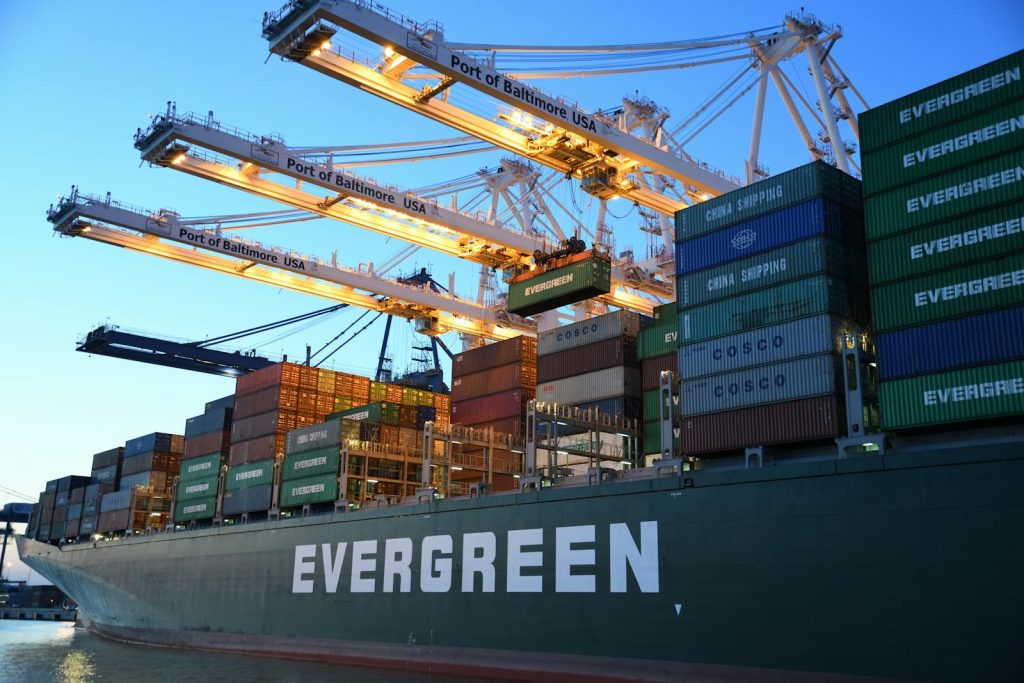
New Zealand is the most paperwork-intensive destination we ship to from the UAE. The country's biosecurity regime — administered by the Ministry for Primary Industries (MPI), the institutional descendant of what many movers still call AQIS — treats every container from non-Pacific origin as a high-risk consignment until proven otherwise. Add a 35-day sea leg from Jebel Ali to Auckland or Tauranga and you have a corridor where surprises at the destination port can mean weeks of additional cost. Here is what we have learned coordinating UAE to New Zealand moves over the past several years.
The sea leg: what 35 days really looks like
The standard rotation from Jebel Ali to Auckland is around 35 days door-to-port, with Tauranga and Christchurch running a few days longer. There is no direct service; every routing involves at least one transhipment, typically Singapore or Tanjung Pelepas, occasionally Port Klang. Each transhipment adds a window in which the container is handled, scanned and re-loaded — and every handover is a chance for documentation mismatches to surface.
Practical implications of the 35-day leg:
- You need to be settled in temporary accommodation at the destination, or have a confirmed delivery address, before the container leaves Jebel Ali — not when it arrives.
- Storage charges at Auckland or Tauranga ports become punitive after the first week of free time. The fee structure on demurrage in New Zealand is among the steeper in the Asia-Pacific region.
- Tracking visibility drops materially during the Singapore transhipment leg. We use the carrier's bill-of-lading reference plus a secondary commercial tracker so we have a fallback when the carrier portal lags.
The MPI biosecurity regime: what actually gets inspected
New Zealand inspects everything. Not metaphorically — every container from non-Pacific origin is opened, and the goods are checked against a risk matrix that prioritises soil, organic matter, untreated wood, food residues and live insect activity. Compared to Australia, which has a similar regime, New Zealand applies the risk matrix more consistently and is less willing to grant on-the-spot exemptions.
What we tell every UAE client to do before the survey
- Empty and clean every vacuum cleaner thoroughly — the dust bag is one of the most common reasons for additional treatment fees.
- Wash all garden tools, BBQs and outdoor furniture until they pass a "no visible soil" check. Photograph them clean.
- Pre-clean all sports and camping equipment, particularly hiking boots, tents and golf bags. Boot soles are a high-risk item.
- Do not ship plant matter, seeds, dried flowers, untreated wood carvings or food items. The penalty is rarely the cost of treatment — it is the customs investigation that follows.
- Disclose any wooden furniture that is older than 50 years or visibly antique. MPI applies a heightened inspection standard, but undisclosed antiques get a far harsher outcome.
Documentation: what your coordinator needs to file
The required filings for a UAE-to-NZ household-goods consignment include an MPI-compliant inventory with risk-item disclosure, a Transfer of Residence application demonstrating eligibility for duty-free entry, and a fumigation certificate where wood packaging is used (ISPM-15 stamps must be visible on every wooden crate or pallet). The TOR application requires evidence that you have lived outside New Zealand for at least 21 months prior to arrival, plus a returning-resident or permanent-resident visa.
The Mirsal 2 export filing on the UAE side needs to match the destination consignee name and address exactly. We have seen holds at Auckland triggered by a single character mismatch between the Mirsal 2 declaration and the bill of lading. Our coordinators validate this before the container is even sealed at the origin warehouse.
Typical destination-port timeline
A clean consignment with accurate paperwork typically clears MPI inspection within 5 to 10 working days of port arrival. A consignment that fails initial inspection — usually because of soil, organic matter or undisclosed wood — can be held for 15 to 30 days while heat treatment, fumigation or re-inspection is arranged. Treatment costs typically run NZ$400 to NZ$1,200 depending on the intervention required.
The single best lever for reducing this risk is the pre-departure clean. Time spent on this in Dubai is one of the highest-leverage activities in the entire move.
Personal effects vs commercial goods
One nuance that catches movers unfamiliar with the regime: any item that looks new, unused, or in retail packaging will be treated as commercial goods at MPI's discretion, regardless of what the TOR application says. The duty and GST liability on a commercial classification is around 25 to 35 percent of declared value, plus inspection fees. We routinely advise clients to use, unbox or visibly age any recent purchases for at least 12 months before they are packed into the container. Pristine condition is genuinely a problem.
Putting the timeline together
A realistic end-to-end window for a UAE to New Zealand household move in 2026 is:
- Week 0: Pre-departure survey and TOR documentation gathering in Dubai
- Week 2 to 3: Pack and load at origin; sailing from Jebel Ali
- Week 7 to 8: Vessel arrival at Auckland or Tauranga; MPI inspection
- Week 8 to 9: Cleared consignment; inland delivery scheduled
- Week 9 to 10: Goods delivered to destination address; unpacking
That total of around 10 weeks from packing day to fully delivered is the realistic window. Families who plan their flight and house-hunting around a 12-week buffer almost never run into trouble. Those who plan for 6 weeks routinely do.
If you are considering a New Zealand move, a brief scoping call with our Dubai coordinators will get you a corridor-specific cost band and the destination-side risks for your particular city. We have shipped to Auckland, Wellington, Christchurch and Queenstown over the past two years and the regional variances genuinely matter.
Found this useful? Share it with someone planning a move.